
Splendora Consumer Products Private Limited
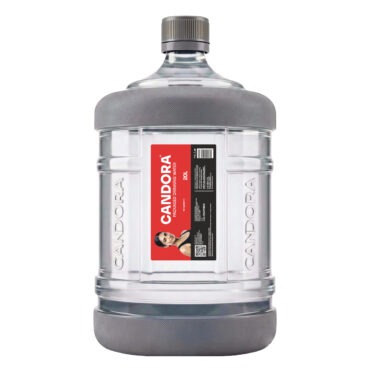
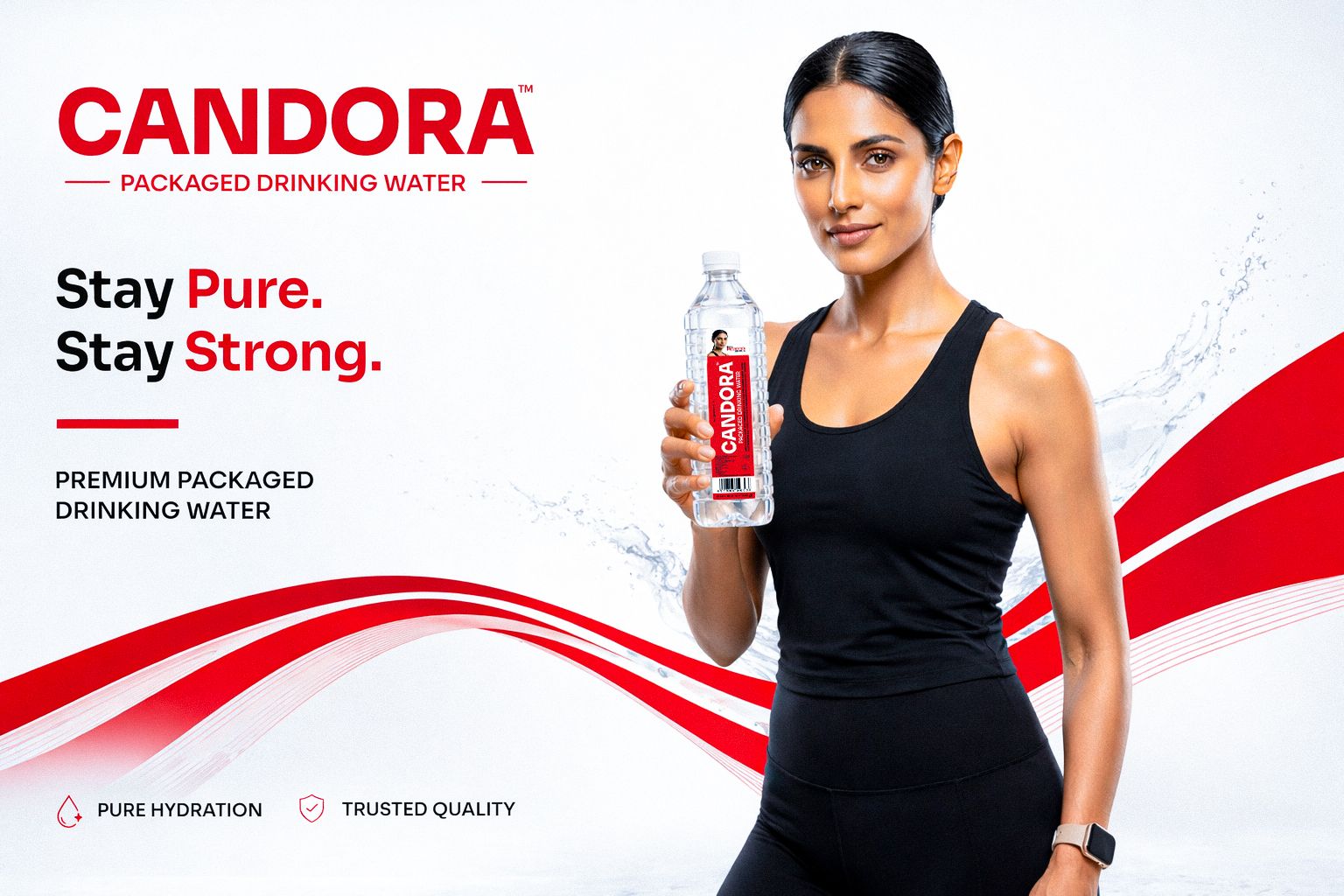
“Candora” under Splendora Consumer Products Private Limited is a company that operates in the consumer goods sector. Companies with names structured like this—“Consumer Products Private Limited”—typically manufacture, market, and distribute products intended for everyday household use, personal care, or food and beverage consumption. This essay provides an overview of the likely structure, operations, market positioning, product categories, regulatory environment, supply-chain considerations, marketing strategies, financial and governance aspects, and potential challenges and opportunities for a company operating as “Candora” Splendora Consumer Products Private Limited. Where specific public data for this exact firm is unavailable within the scope of this essay, the discussion draws on common industry practices and considerations relevant to private limited consumer-products companies.
Company Profile and Legal Structure
A “Private Limited” company is a common corporate structure in jurisdictions such as India and other countries that follow similar company law frameworks. This structure typically limits shareholder liability to the amount unpaid on their shares and restricts the ability to publicly trade shares. A private limited company like “Candora” Splendora Consumer Products Private Limited is likely privately held by a group of founders, family investors, venture capital, or private equity investors.
Key features of this structure include:
- Limited liability for shareholders.
- Restrictions on transferability of shares compared with public companies.
- A board of directors responsible for governance, with shareholders exercising control through ownership stakes and shareholder agreements.
- Regulatory compliance obligations under corporate law, taxation, and sector-specific regulations (for example, food safety or cosmetics regulations, depending on product lines).
Product Portfolio and Categories
“Candora” Splendora Consumer Products Private Limited, by its name, suggests a focus on consumer products which could encompass one or more of the following broad categories:
- Packaged foods and beverages: snack foods, ready-to-eat items, condiments, beverages (non-alcoholic), dairy substitutes, and other shelf-stable or chilled food items.
- Personal care and hygiene: soaps, shampoos, lotions, toothpaste, deodorants, skincare items, and baby-care products.
- Household care: detergents, surface cleaners, dishwashing liquids, air fresheners, and similar products that support household cleanliness and maintenance.
- Health and wellness products: vitamins, supplements, and nutraceuticals, if the company is positioned in that adjacent market.
Product development for consumer goods companies focuses on identifying consumer needs, formulating products that meet safety and quality standards, ensuring attractive packaging and shelf appeal, and achieving cost-effective manufacturing.
Manufacturing and Supply Chain
A consumer-products company must manage a complex supply chain that may include:
- Raw-material procurement: sourcing ingredients, chemicals, packaging materials, and other inputs from suppliers. Effective sourcing balances cost, reliability, and quality.
- Manufacturing: in-house factories or contract manufacturing organizations (CMOs) to produce finished goods. Manufacturing considerations include capacity planning, quality control, process optimization, and adherence to Good Manufacturing Practices (GMP).
- Packaging: design, materials selection, and sustainable packaging initiatives. Packaging must protect the product, ensure compliance (labeling, ingredient disclosure, safety warnings), and support branding.
- Distribution and logistics: warehousing, transportation, cold-chain logistics (if applicable), and fulfillment to retail partners, wholesalers, e-commerce platforms, and direct-to-consumer channels.
- Inventory management: forecasting demand, reducing stockouts and excess inventory, and managing perishable product lifecycles.
Vertical integration strategies vary. Some companies integrate backward—owning or controlling raw-material sources—while others outsource non-core activities to third parties to maintain flexibility and capital efficiency.
Regulatory and Compliance Environment
A consumer-products company must comply with multiple regulatory frameworks depending on its product range and operating jurisdictions:
- Food safety and standards (for food and beverages): compliance with national food safety authorities, labeling requirements, permissible additives, shelf-life and preservative rules, and traceability requirements.
- Cosmetics and personal-care regulations: ingredient restrictions, safety testing, and product registration or notification procedures.
- Environmental regulations: waste management, effluent discharge, emissions control, and packaging waste directives.
- Consumer protection and advertising standards: truthful marketing, claims substantiation (e.g., “antibacterial,” “clinically proven”), and compliance with regulations on health claims.
- Labor, health, and safety laws: ensuring safe working conditions, proper wages, and social compliance in manufacturing facilities and among suppliers.
- Taxation and corporate compliance: accurately reporting income, goods-and-services taxes or VAT, customs duties for imported materials, and annual filings.
Ensuring regulatory compliance requires quality assurance systems, documentation, testing protocols, and often third-party audits or certifications (ISO, HACCP, FSSAI in India, FDA in the U.S., or other local authorities depending on geography).